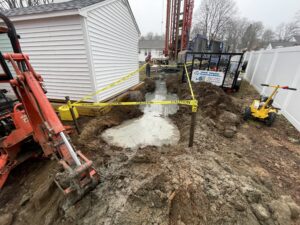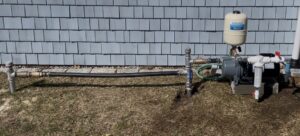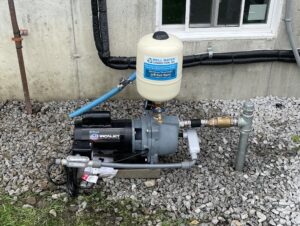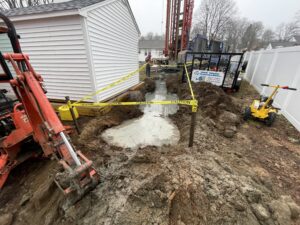
Installing a water well—whether for irrigation, commercial landscaping, athletic fields, or residential use—is not just a drilling project. It’s a coordinated engineering effort involving geology, permitting, pump design, electrical work, irrigation layout, and long-term maintenance planning.
Many well projects run into trouble because critical questions weren’t addressed early in the design phase. As outlined in our Commercial Planning Guide, well installations often involve multiple contractors: drillers, pump installers, electricians, irrigation contractors, landscapers, and sometimes engineers and geologists. Without coordination, costs and timelines can quickly spiral.
Start With the Right Questions
Before drilling begins, property owners should understand:
- How much water is needed per day and per week?
- What is the required flow rate (gallons per minute)?
- How many hours per day are available for watering?
- Will there be other uses (pool filling, spigots, expansion)?
- What are the electrical requirements?
- Who is handling permitting and inspections?
Each answer influences well type, pump size, pressure system design, and total cost.
Geological Feasibility Matters
There are two primary well types:
- Shallow wells (point or gravel) — draw water from sand and gravel layers
- Bedrock (artesian) wells — draw water from fractures deep in rock
The right choice isn’t about preference—it’s about geology. Site conditions determine feasibility.
Why Project Management Is Critical
Well projects contain inherent unknowns. Yield cannot be guaranteed until drilling is complete. According to the guide Commercial Planning Guide, costs can vary dramatically—from $5,000 to $50,000+ depending on system complexity and site conditions.
Strong project management:
- Reduces financial risk
- Coordinates contractors
- Minimizes design changes
- Prevents costly miscommunication
The Bottom Line
A well system is not just a hole in the ground—it’s a custom-designed water supply system. Proper planning, communication, and feasibility analysis are the difference between a reliable long-term asset and a frustrating, expensive problem.