
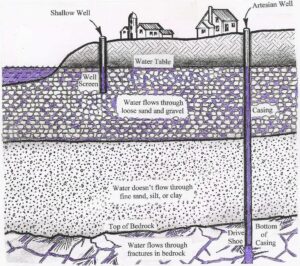
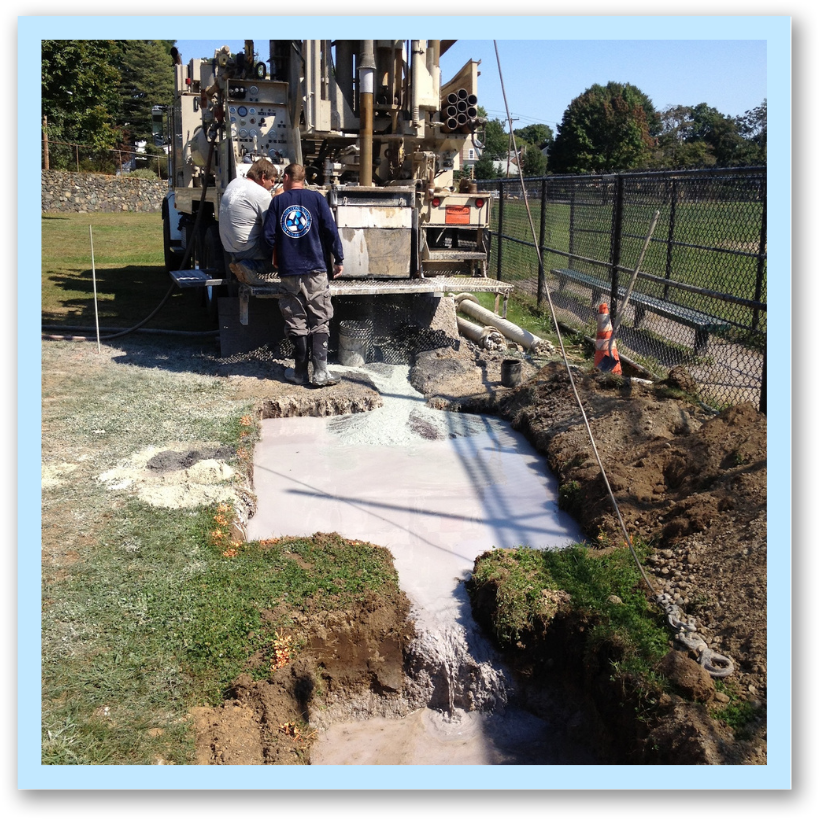
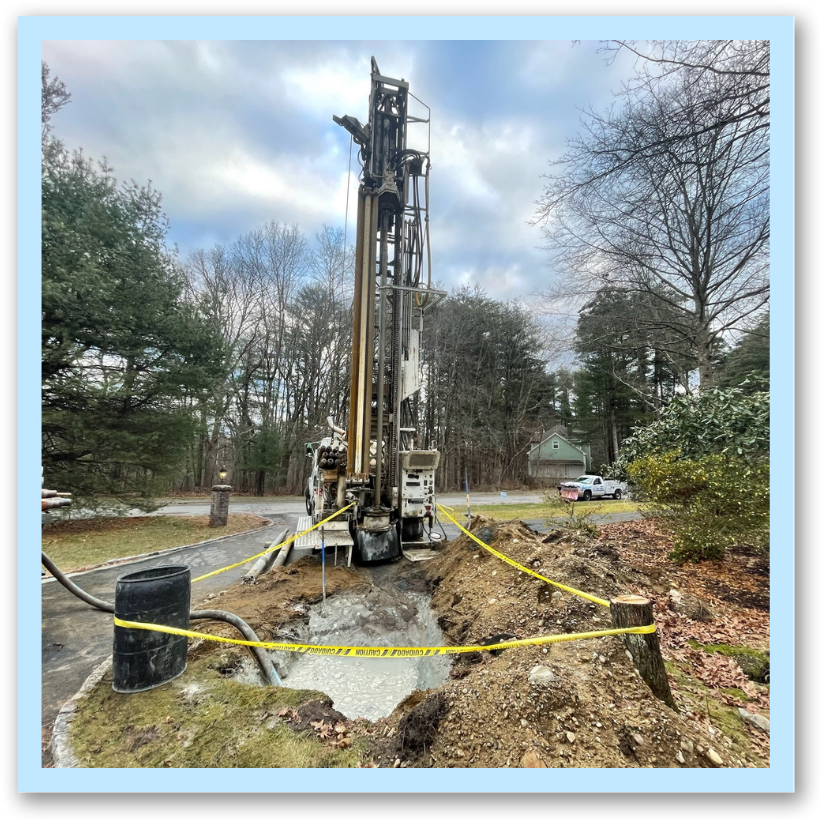
A bedrock well is a well that is drilled, using a very large drilling “rig”, typically hundreds of feet deep into the earth. Usually, a 6” diameter, steel well casing and a drive shoe are installed 20’ or more into the bedrock. The casing creates a watertight seal which prevents soils and rocks from entering the bore hole. After the casing is installed, drilling down through the bottom of the open casing and into the bedrock continues until the bore hole intersects with the water-bearing fractures or “aquifers” that exist naturally in the bedrock.
The location and size of these water-bearing fractures will ultimately determine the final depth of the borehole and how much water the well will produce. The term “artesian well” refers to a bedrock well that flows water to the surface without the use of a pump. Although they do exist, true “artesian” wells are extremely rare in New England… but their name has become synonymous with “bedrock” wells.
Key Benefits:
- More of a “sure bet” to hit water than with shallow, smaller, less expensive wells.
- Most common type of well installed for new, whole house use
- Less impacted by droughts when compare to some shallow wells
- Suitable for irrigation, whole-house residential and commercial needs
- Storage capacity of bedrock wells can add up to hundreds of gallons of water, allowing even low-capacity or “low-yield” wells to supply ample water for home use.
- By design, a bedrock well accesses the source of water that’s stored in the bedrock deep below your property, thereby “shutting off” the shallow water source. This reduces the likelihood of water from a bedrock well being impacted by any localized construction or surface contaminants.
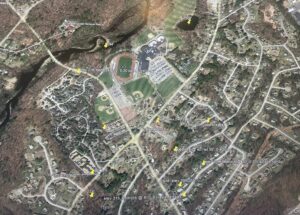 Interested in installing a well? First, we’ll review any satellite imagery of your property and the surrounding area. Then we investigate and log existing wells that are in the area using a water well database. Finally, we overlay the above data with other available information to estimate (from the ground surface of your property):
-Depth-to-water
-Depth-to-bedrock
-Soil types and conditions
Site reviews are crucial because they can simplify the project and save you thousands of dollars if a shallow point well is deemed feasible on your property.
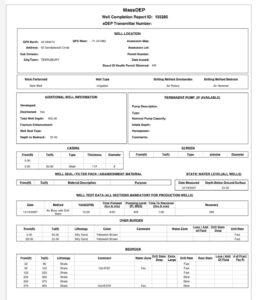
After completing site review and your town’s requirement such a setbacks from septic systems, property lines, etc., we will provide you with a formal, written estimate for a bedrock well test hole and pump test & water quality test, which, based on the results, can be converted into a fully operational “irrigation-only” or “whole house” bedrock (or “artesian”) well & pump system. With your estimate approval, we will come out to your property to flag-out a proposed well location. Afterwards, we contact dig-safe for clearance and schedule the work.
We take a comprehensive approach, ensuring your new well is properly sited, safely drilled, and built for optimal performance. Often, we will suggest breaking the bedrock well drilling project into phases:
-Phase 1: Drilling & Pump Testing
-Phase 2: Designing and Installing the Pump & Filter System
Other times we may provide an estimate for a complete Well & Pump System including additional and/or optional items. However, in both cases, designs cannot be finalized until the drilling and pump test is completed. Then we can confirm the proper pump size, electrical requirements and what options may be recommended or necessary. This benefits our clients because we maximize the efficiency of the pump system.
Planning & Project Management
-Review of town regulations and required setbacks (septic systems, property lines, etc.)
-Well placement is based on convenience, accessibility for large equipment, utility access, aesthetics, regulations, and site conditions.
-Custom system design tailored to your water usage needs
Permitting requirements vary by town. Some municipalities require no permits for wells, while others may require:
-Certified plot plans
-Strict setbacks (septic systems, property lines, etc.)
-Water quality testing
-Post-installation inspections
Our team coordinates directly with the local health department to streamline the permitting process. Customers are responsible for providing required site plans if needed to ensure the final well location is compliant.
Depending on site conditions, preparation may be required to allow access for heavy drilling equipment, reduce lawn damage, and manage drilling debris. Site preparation may include:
-Excavating a retention pit for drilling debris
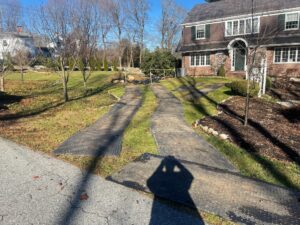
-Laying down “mud tracks” or “stabilization mats” to minimize damage to existing landscaping and/or allow safe access for heavy drilling equipment
-Fence, tree or shrub removal or trimming may be needed
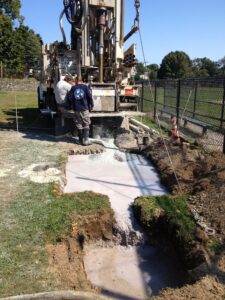
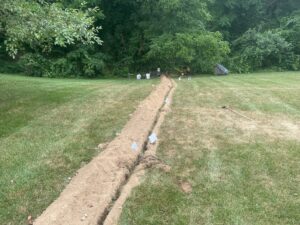
First, 6” diameter steel casing and a drive shoe are installed into the solid bedrock beneath your property to provide a watertight seal and prevent soil and rocks from entering the well. While we can estimate depth-to-bedrock during our virtual site review, the final amount of casing needed won’t be known until it’s installed.
If the soil above the bedrock is loose and collapses during drilling, a “modified drilling method” known as a “mud job” or “bentonite installation” may be needed to properly set the casing into the top of the bedrock. The deeper the bedrock is, the more likely it is that a mud job will be needed, and additional charges may apply.
Once casing is installed, drilling into the bedrock continues until water-bearing fractures that exist naturally in the bedrock are intersected. The location and size of these water-bearing fractures will determine the final depth of the borehole and how much water the well will produce. Drilling continues until we find enough water to meet your needs, or until it is determined that stopping and hydrofracturing will be more cost-effective than continued drilling at improving the wells production.
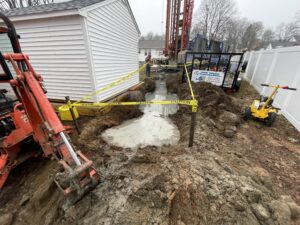
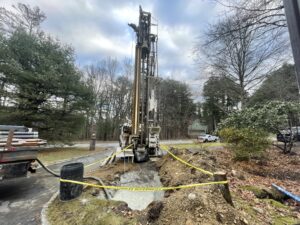
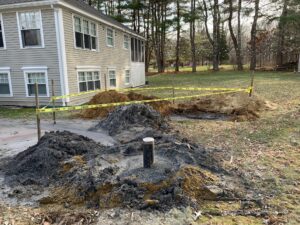
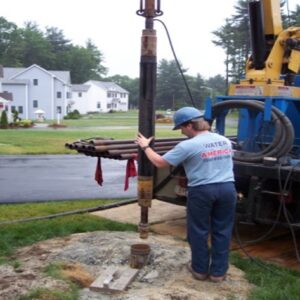 Hydro-fracturing is a specialized, environmentally friendly, and highly effective procedure used to increase water production from low-yield bedrock wells. A trained crew installs an inflatable “packer” down the well through the steel casing and into the bedrock. The well is then highly pressurized using clean, disinfected water. As the pressure is relieved plugged fractures in the bedrock are cleared resulting in an increased amount of water that can be pumped from the well. This has the potential to save you money by allowing us to decrease the size of the pump’s motor and therefore electrical needs.
Types of Hydro-fractures:
Single Packer Hydro-fracture
-Uses one (1) packer
-Most common and cost-effective method
-Completed in as little as a few hours
Dual Packer Hydro-fracture
-Uses two (2) packers to isolate and pressurize specific “zones”
-Generally much more expensive, yet more effective than a Single Packer hydro-fracture
-Completed in one (1) day
-Also referred to as a “Zone Hydro-Fracture”
Upon completion of the drilling (and hydrofracturing if necessary), Well Water Connection installs a trailer mounted temporary pump up to 300’ deep in the well and runs it using a generator to accurately measure the water quantity and take water samples to measure the quality at various depths in the well since both will change along the borehole column. This step, which is skipped by most well companies, is necessary to optimize the performance and efficiency of your water system design to provide the best, most cost-effective pump system, controls, tank, and filter system.
One of the most significant variables to consider when drilling a well is water quality, especially when the well is intended for whole house use. Obviously, this cannot be determined until after the water has been sampled and tested. Irrigation wells may require sediment filters, rust stain prevention systems or more. A whole house water treatment system may require just a simple and inexpensive sediment filter, to a more complex and costly water filtration system to remove radon, arsenic, nitrates or other harmful impurities that may be found in your water.
Taking the time to properly evaluate the well and optimize the system design is what sets us apart from other’s “one size fits all” approach which often leads to costly replacements and services down the line.
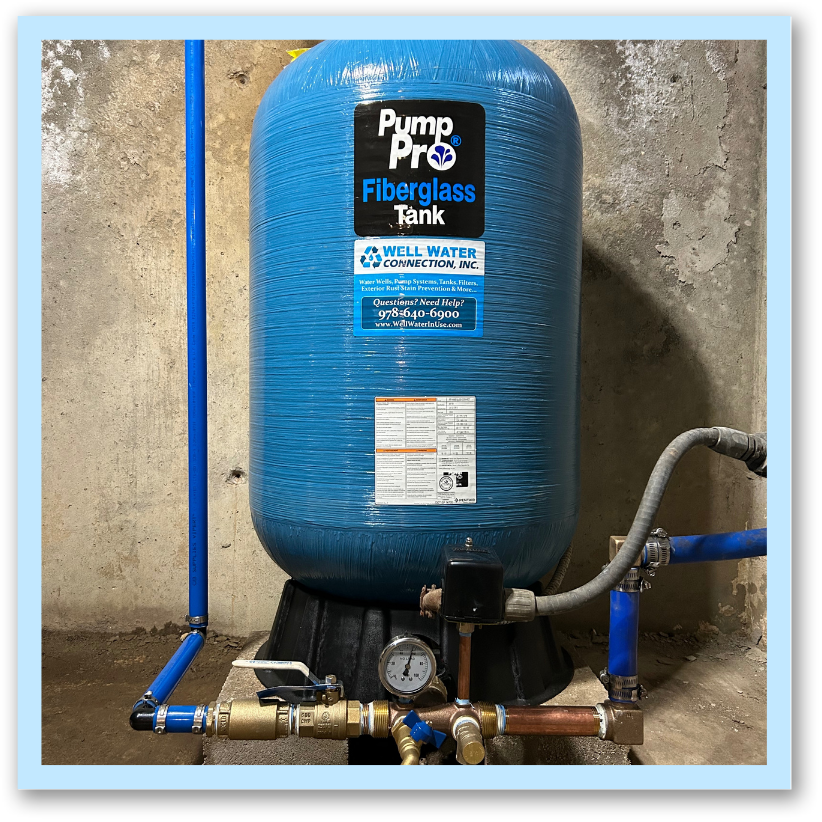
Once water quantity and quality is confirmed, we provide detailed design options and pricing for your pump and filtration system. Some of the system design criteria is based on:
-Well depth and recovery rate of the well
-Required flow and pressure (for whole house use, irrigation use, etc.)
-Distance from the well to your home or electrical source
-Plumbing layout and fixture count (for whole house wells)
-Filtration and treatment requirements
Our goal is to ensure the complete well and pump system delivers consistent, reliable water pressure and performance tailored to meet your needs.
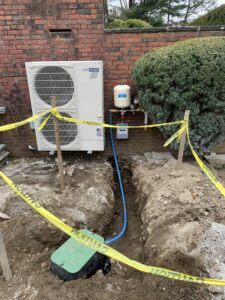
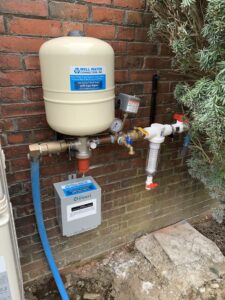
Whole-House Wells:
-Well and pump system maintenance is highly recommended every 1–3 years
-Water treatment system maintenance is recommended once per year, with some systems requiring more frequent maintenance than others. Annual water testing is recommended.
Contact >> our water treatment department for more information about your particular system.
Irrigation Wells:
Spring Startup Maintenance:
Includes a full pump system evaluation including some or all of the following: Reconnecting, Repriming, Inspecting, Cleaning, Testing, Repairing or replacement of any components as needed, Flushing the well, Tuning up the pump system.
Click here to learn more about our Spring Startup Maintenance >>
Mid-Summer Checkup:
Highly Recommended if spring startup was not completed. Includes a full pump system evaluation and tune up. Addresses any performance changes caused by drought, heat, electrical demand, clogged filters, or irrigation issues.
Click here to learn more about our Mid-Summer Check-Up Service >>
Fall Winterization:
Protects the pump, tank & filter system from freezing damage. May include draining, disconnecting, and/or winter storage of the pump when required.
Click here to learn more about our Winterization Maintenance >>
The entire installation process including permitting, site preparation(s), drilling and development of the well, hydrofracturing (if needed), pump testing (quantity & quality), water sampling and water quality testing, installation of the pump & filtration system, backfilling & debris removal, trenching from the well to the house, and final electrical & plumbing work including inspections, etc. can take several weeks to even months depending on drilling and weather conditions, the type of well, pump & filter system, and other factors.
Well Water Connection has been great. They have always been reliable, dependable, and their work is top-notch. John has always been extremely honest in his recommendations and advice. It is clear that Well Water Connection strives to earn their clients' respect by delivering on what they promise.
Paul Schmitt Knollsbrook Condominium | Stoughton, MA